Fed Rate Pause: What the M&A Surge Means for Your VDR

Three weeks ago, a sell-side advisor I know in Singapore called me in a panic. His team had just kicked off a $175M cross-border carve-out, two buyer groups were in parallel diligence, and their VDR had started throttling document uploads. Timeline: four weeks to LOI. His words: “We’re going to lose this deal to our own data room.” That’s not a hypothetical. That’s Tuesday.
The Fed held rates at 3.75% to 4% this week. And if you run deal processes for a living, you already know what that means for your virtual data room workload.
For most people, a rate hold is a central banking footnote. For deal teams, it’s a starting gun. PE sponsors who’ve been sitting on dry powder since early 2025 can finally underwrite LBO economics with confidence. Strategics know their cost of capital. And sellers who’ve been waiting for the market to stabilize start calling their bankers. All at once.
We’ve seen this before. After rate pause cycles in 2019 and 2024, M&A volume surged in the following two quarters. Same dynamic is setting up now.
But here’s what most deal teams don’t think about until it’s too late: a surge in deal activity doesn’t just mean more deals. It means compressed timelines, parallel processes, and due diligence windows that shrink because everyone is chasing the same assets at the same time.
And that’s where your VDR either helps you close — or quietly costs you the deal.
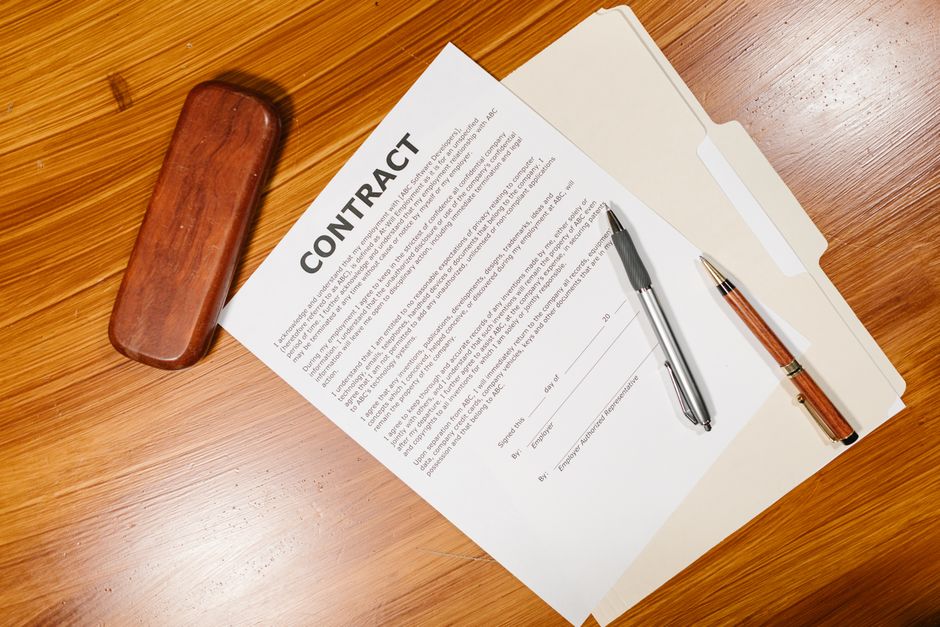
Why Rate Stability Turns Up the Heat on Due Diligence
When M&A activity accelerates, the bottleneck shifts. It’s not finding the deal anymore — it’s running the process.
Think about what a real Q4 pipeline looks like right now. A PE firm in Chicago is running a $200M carve-out. Two strategic buyers in parallel diligence. Management team trying to keep the business running while fielding 400 document requests. Meanwhile, a London law firm is managing cross-border diligence on a secondary buyout — three jurisdictions, two buyer consortia, counsel spread across New York, Frankfurt, and Hong Kong.
I’ve watched deals fall apart in exactly that environment. Not because of valuation. Because the sell-side team’s VDR was a mess and the buyer’s counsel started drawing conclusions about how the business was actually run.
The virtual data room for M&A is the operational center of that entire process. If it’s slow, disorganized, or hard to navigate, it doesn’t just create friction — it signals that the sell-side isn’t running a tight process.
Buyers notice. They always do.
What a Deal Surge Demands from Your Virtual Data Room
Most legacy VDRs are just glorified Dropbox folders. Sorry, but it’s true.
Intralinks, Merrill Datasite — these platforms were designed when the bottleneck was physical document rooms. They digitized that process but never reimagined it. The result is VDR software that looks like it was built in 2010, with complicated permission structures, clunky Q&A modules, and virtual data room pricing that keeps climbing while the product stands still.
What deal teams actually need when the market heats up:
- Fast setup. When a process kicks off, you don’t have two days to organize folders. A client told me last month that they spent a full day just structuring their room before a single document went in. AI-powered VDRs auto-categorize and build a structured data room in minutes — not an afternoon you don’t have.
- Smart document search. When buyer’s counsel asks for “all change of control provisions across the contract portfolio” — you need that in seconds. Not a three-hour manual review that holds up the timeline.
- Granular permissions at scale. Running parallel buyer groups means zero tolerance for errors. One buyer seeing another buyer’s Q&A thread is a process-ending mistake. I’ve seen it happen. It’s not recoverable.
- Activity intelligence. Knowing which documents buyers are spending the most time on tells you a lot about where the deal risk is. A good secure data room surfaces those signals automatically — you shouldn’t need to pull a report to find out your buyer has been staring at the environmental indemnity for six hours.
- Predictable pricing. When deal volume spikes, per-page fees turn your VDR cost into a material line item. That’s a fight you don’t need during a live process.

The Fundraising Side Is Moving Too
It’s not just M&A. A more predictable rate environment gets LPs off the sidelines. GPs reopen funds, start sharing data rooms with prospective investors. The whole ecosystem accelerates.
A Series B founder in São Paulo sharing financials with 12 investors simultaneously has different requirements than a $500M buyout in Amsterdam — but the fundamentals are identical. Document security, clean access control, a professional experience for the people reviewing your materials.
Here’s what most founders miss: the data room is part of the pitch. A prospective lead investor struggling to find your cap table buried three folders deep in something that looks like a shared Google Drive from 2018… that’s an impression you don’t get back. A professional data room for fundraising signals that you run a tight operation — before you’ve said a word in the meeting.
The Infrastructure Behind Good Deals
Here’s the part nobody wants to say out loud. Most deal teams are running critical processes on infrastructure they’d be embarrassed to admit to. Shared email threads. A Google Drive folder with inconsistent naming. A legacy VDR nobody on the team actually knows how to use properly under pressure.
And pressure is the whole point. A secure data room isn’t just a place to store files — it’s a controlled environment where trust is established and deals get made. The best virtual data room for due diligence isn’t the most expensive option. It’s the one your team actually uses correctly, on a deadline, when the buyer’s counsel has a request and the timeline just moved up by two weeks because a competing offer emerged.
That’s the scenario that exposes every weakness in legacy platforms. Week three of diligence. Compressed timeline. Management presentation in 48 hours. You don’t want to be fighting your VDR at that moment.
SmartVDR was built for exactly that environment. Not to digitize the old way of running deals — to make the process sharper. Faster setup, smarter search, real-time document activity insights, and a secure data room architecture that doesn’t require a three-hour onboarding call. It’s what I’d want if I were running the deal myself.
If you’re headed into a deal cycle in the next 60 to 90 days — and statistically, you probably are — it’s worth asking whether your VDR is actually ready for what’s coming.
Frequently Asked Questions
What is a virtual data room and why does it matter in M&A?
A virtual data room (VDR) is a secure online repository used to store and share confidential documents during high-stakes transactions like M&A, fundraising, and IPOs. Unlike general cloud storage, a VDR provides granular permissions, audit trails, and deal-specific workflows — making it the operational backbone of any serious due diligence process where document control and access security are non-negotiable.
How much does virtual data room pricing typically cost?
Virtual data room pricing varies significantly by provider and deal size. Legacy providers like Intralinks and Datasite often charge per-page fees or complex enterprise contracts that can reach $20,000–$50,000+ per deal. AI-powered platforms like SmartVDR offer more predictable project-based pricing — typically 40–60% less than legacy alternatives, without compromising on security or core functionality.
What should I look for in a virtual data room for M&A due diligence?
For M&A, prioritize granular permission controls, a structured Q&A module, document activity tracking, and fast room setup. AI-powered features like smart search and auto-categorization are increasingly critical when you’re running parallel buyer processes with large document volumes and compressed timelines — the scenarios that expose weaknesses in legacy platforms.
Do startups need a VDR for fundraising rounds?
Yes — especially for Series A and beyond. Institutional investors expect an organized, secure data room when reviewing financials, cap tables, and legal documents. A professional data room for startup fundraising signals operational maturity, speeds up the diligence process, and gives founders control over exactly who sees what — which matters when you’re sharing sensitive information with multiple competing term sheet candidates.
Ready to run your next deal on a smarter data room? Visit SmartVDR.com to see how AI-powered document intelligence can close your deals faster.